


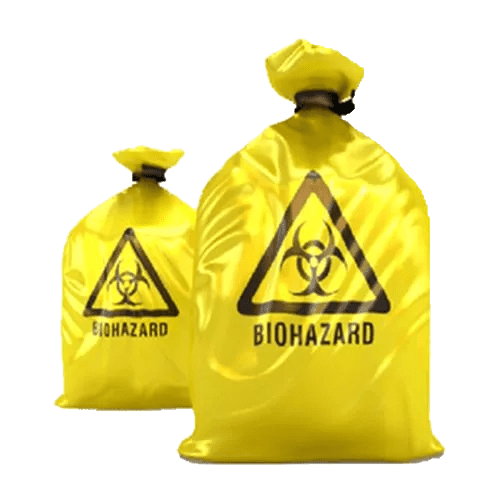
In the fast-paced world of healthcare, safety, organization, and compliance are non-negotiable. From hospitals and clinics to diagnostic labs, medical facilities handle sensitive materials daily—making biohazard waste management a critical part of operations. Recently, more healthcare facilities have begun to switch to custom biohazard bags for improved efficiency, safety, and brand professionalism. But what’s driving this shift? Let’s explore.
1. Enhancing Safety and Compliance
The primary purpose of a biohazard bag is to ensure safe containment of medical waste such as used syringes, bandages, gloves, and other contaminated items. However, custom biohazard bags take this safety a step further. By allowing healthcare providers to choose the appropriate thickness, seal type, and material strength, these bags reduce the risk of leaks and contamination.
Moreover, custom printed biohazard bags can include clear warning labels, handling instructions, and facility-specific details that align with OSHA and CDC regulations. This ensures that every bag is easily identifiable, minimizing the chance of accidental exposure or improper disposal.
2. Promoting Brand Identity and Professionalism
Hospitals and healthcare organizations are increasingly viewing their waste management systems as part of their broader operational identity. Printed biohazard bags with custom logos, colors, and facility names communicate professionalism and organization. For large healthcare systems, branding even extends to internal materials — reinforcing a sense of trust and consistency across departments.
Custom branding also helps differentiate a facility’s waste from that of other institutions during transport and disposal, reducing confusion and supporting proper tracking procedures.
3. Improving Workflow and Organization
Another advantage of custom printed biohazard bags is their role in workflow optimization. Healthcare environments rely on clear visual cues to maintain order. Custom designs can include color coding, symbols, or text that indicate specific waste types — for instance, red for infectious materials, yellow for pathological waste, or blue for recyclable sharps containers.
This level of customization streamlines sorting, storage, and disposal processes, helping staff quickly identify which bag to use and reducing costly mistakes.
4. Supporting Sustainability Goals
Many healthcare facilities are now committed to sustainable waste solutions. Custom biohazard bags can be made from recyclable or biodegradable materials without compromising durability or compliance. By customizing bag materials and manufacturing options, facilities can reduce environmental impact while maintaining safety standards.
In addition, bulk purchasing of printed biohazard bags reduces packaging waste and cost per unit, making sustainability both practical and affordable.
5. Cost Efficiency and Long-Term Value
Although custom options may appear costlier upfront, they deliver measurable long-term savings. Enhanced durability prevents double-bagging, clear labeling reduces errors and penalties, and proper organization cuts time wasted on sorting or reprocessing. Over time, custom printed biohazard bags help healthcare organizations save money while maintaining compliance and safety.
Final Thoughts
Switching to custom biohazard bags is more than a design choice—it’s a strategic investment in safety, compliance, and efficiency. As healthcare facilities continue to prioritize infection control and sustainability, printed biohazard bags are emerging as the smart, professional, and responsible choice for modern medical environments.
