


1. INTRODUCTION
Choosing between braces and clear aligners is one of the most common questions adults and teens ask when they visit an orthodontist. Although both procedures are excellent at straightening teeth, the ideal option for you will depend on your lifestyle, comfort level, and dental needs. Let’s look at how braces and aligners differ and what you should know before making a decision.
2. BRACES: THE CLASSIC TREATMENT
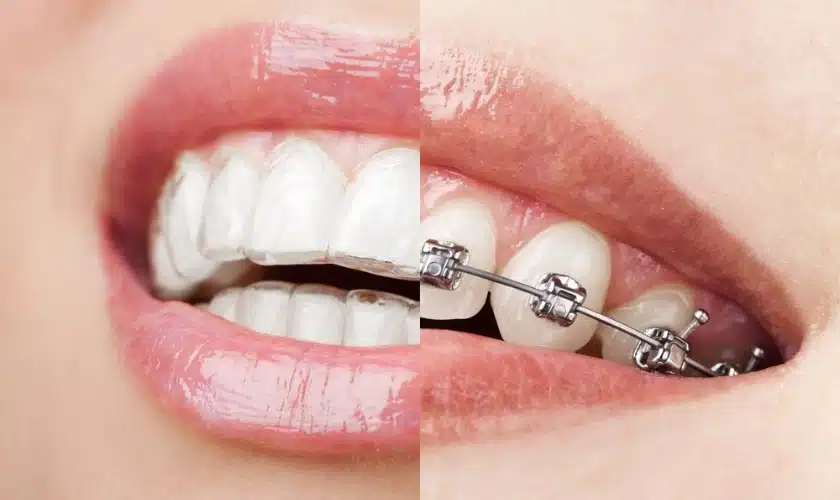
Braces have been used for many years to fix a wide range of dental problems. Today, many patients also explore Invisalign Beaverton as a modern alternative for teeth straightening. These days, braces are more comfortable, thinner, and available in a variety of designs, including ceramic, stainless steel, and even brackets that are tinted gold.
- Visibility: Newer styles, such as behind-the-teeth or tooth-coloured braces, are less obtrusive, but braces are still evident. You can also personalize your braces with colored rubber bands, which many people find fun.
- Removability: Braces stay fixed on your teeth for the entire treatment period. You don’t have to worry about losing them, but you must be careful about what you eat. Sticky or hard foods can break wires or brackets.
- Comfort: It’s normal to feel some discomfort when braces are first put on or adjusted. The inside of your mouth gets irritated by the brackets and wires, but this normally fades away as you adjust to them over the course of a few days.
- Hygiene: Keeping braces clean takes extra effort. Food can easily get stuck around brackets, so brushing and flossing thoroughly are essential to prevent plaque buildup and gum problems.
- Diet: People with braces should avoid foods that are hard, sticky, or chewy to prevent damage. It’s also best to avoid sugary and acidic drinks, as they can weaken tooth enamel. Drinking plain water is always the safest choice.
3. CLEAR ALIGNERS: A MODERN ALTERNATIVE
Invisalign and other clear aligners are transparent trays composed of smooth plastic. They gently move teeth into position without the need for metal brackets or wires.
- Visibility: Aligners are a popular option among individuals seeking discreet therapy because they are nearly invisible. Small tooth-coloured attachments may be added to help guide movement, but they are barely noticeable.
- Removability: Aligners can be removed when eating, brushing, or attending social events. However, wearing them for at least 22 hours a day is necessary for optimal outcomes. Because they’re removable, they can be misplaced or damaged if not stored properly.
- Comfort: Aligners are smooth and fit snugly, so they don’t irritate your mouth like metal braces can. You might feel mild pressure when switching to a new set, but it usually fades quickly.
- Hygiene: Since you remove aligners to clean your teeth, maintaining oral hygiene is easier. Wearing them while consuming acidic or sugary drinks, however, can cause discoloration or deterioration.
4. CONCLUSION
Both braces and aligners can give you a straight, healthy smile. The right choice depends on your orthodontic needs and lifestyle. What matters most is the skill of your orthodontist. A certified specialist can create a personalized plan to help you achieve lasting results and a confident smile.
